The inequity you rarely see in the climate headlines
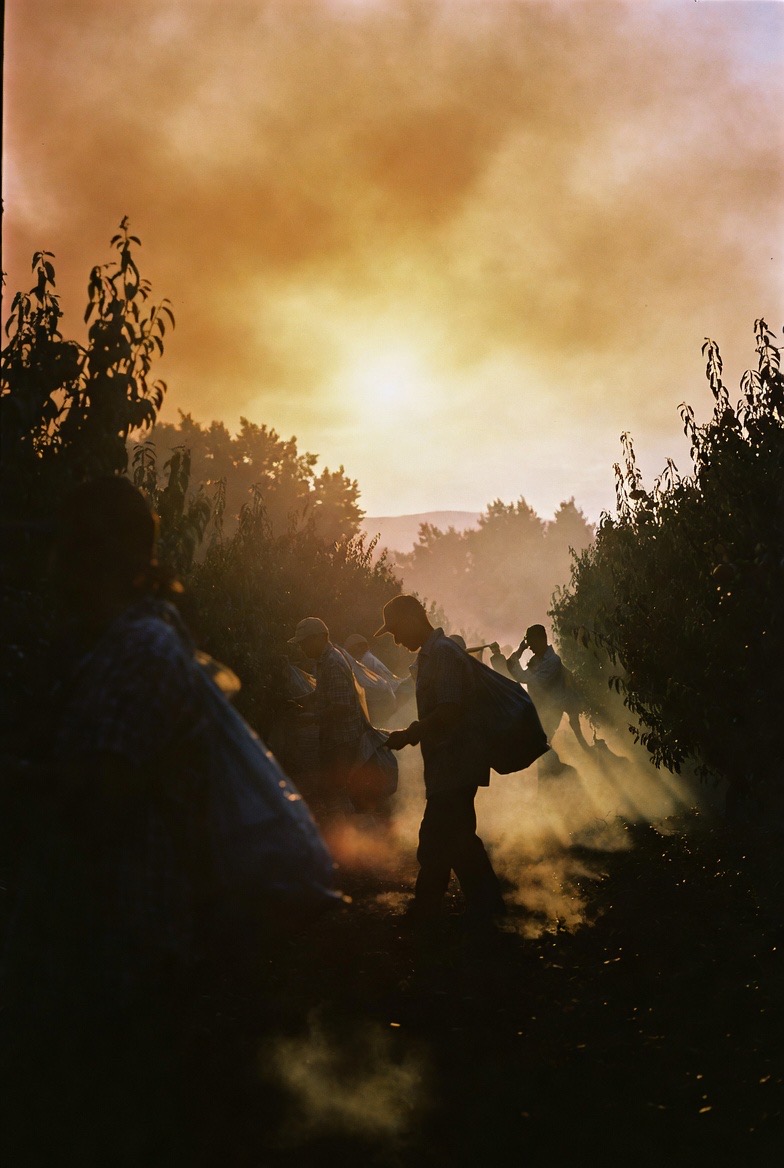
When climate impacts make national news, they usually arrive as a dramatic event: a hurricane, a flood, a wildfire. But for many marginalized communities, climate change is not episodic. It is occupational. It shows up as hotter workdays, longer smoke seasons, and a daily choice between health and income for the people who pick and pack much of the country’s food.
A revealing case is Washington State, where researchers analyzed workers’ compensation claims for heat-related illness from 2006–2017. They identified 918 confirmed cases, with some of the highest rates in Agriculture, Forestry, Fishing, and Hunting, and found that 45% of accepted heat illness claims occurred below the state’s heat rule threshold. In other words, many workers were getting sick in conditions that can fall outside the official danger triggers. The study also found Latino workers were overrepresented in heat illness cases, a real-world snapshot of how climate risk stacks on top of wage and power disparities.
Layer wildfire smoke onto that heat and you get a compounding burden. Farmworkers cannot stay indoors when the air quality alert hits everyone else’s phone, and protective steps (like respirators) can become harder to tolerate during high-exertion work in extreme heat.New details have sharpened this picture since January 2025. OSHA’s proposed federal heat standard moved through a major procedural gate: the public hearing concluded July 2, 2025, and the post-hearing comment period closed October 30, 2025. That timing matters because it signals the policy is no longer hypothetical, it is in the final stretch where design choices determine whether it protects workers or merely checks a box.
Ethical business practice that actually changes outcomes
“Ethical business” often gets trapped in slogans or voluntary supplier codes that look good in a sustainability report but fail when a worker is pressured to keep going on a 95°F day. In climate-stressed labor markets, ethics has to be enforceable, verified, and tied to purchasing power.
A concrete model is the Fair Food Program, a worker-driven supply chain system that pairs retailer commitments with farm-level standards, auditing, and a 24-hour complaint mechanism. The key business move is simple: participating buyers pay a small premium and can suspend purchases from farms that fail to fix violations.
Recent reporting adds useful specifics for business-minded readers: the program’s protections extend to 20,000+ farmworkers across nearly half of U.S. states, and it has delivered $50M+ in premium payments to workers. That is not charity. It is risk management that stabilizes labor supply, reduces reputational blowups, and helps prevent productivity losses from illness, turnover, and emergency disruptions. California’s SB 1105 is a complementary rules plus realism upgrade to the legal baseline. Effective January 1, 2025, it prohibits employers from denying farmworkers the ability to use accrued sick days when the state or local government declares an emergency due to smoke, heat, or flooding. It reduces the financial coercion built into climate exposure: workers gain a lawful off-ramp when conditions become hazardous.

Public health groups estimate $1B in summer healthcare costs tied to heat illness.
A policy suggestion that helps workers without punishing business
The U.S. government can materially reduce climate harm to marginalized workers while staying aligned with corporate interests by pairing a clear national floor with flexible compliance and smart incentives:
Adopt a federal Heat and Smoke Worker Protection Standard, then pull it through supply chains via federal purchasing and cost-sharing.
- Finalize OSHA’s heat standard with performance-based options (shade, hydration, paid cool-down rest, acclimatization plans, training) so employers can meet outcomes without one-size-fits-all mandates.
- Add a wildfire smoke protection module (or a harmonized companion standard) so co-exposure days are not treated as an afterthought.
- Use federal procurement as a demand lever: require suppliers to federal food programs (schools, military, large federal facilities) to demonstrate verified heat and smoke protections, allowing recognized worker-driven verification programs as a compliance pathway.
- Protect smaller growers and prevent price shocks by funding upgrades (shade structures, cooling stations, on-site water access, air quality monitoring, clean-air break areas) through grants or tax credits, tied to documented implementation.
This approach is pro-worker and pro-business because it targets the avoidable costs of unmanaged heat: the Bureau of Labor Statistics recorded nearly 34,000 heat-related injuries and illnesses and 479 fatalities (2011–2022), and public health groups estimate $1B in summer healthcare costs tied to heat illness. Fewer injuries means fewer claims, less downtime, less churn, and more predictable production.
The headline logic is straightforward: climate change is already taxing supply chains. Verified protections reduce disorder, stabilize output, and stop forcing the least powerful people in the system to serve as the shock absorbers.

Leave a Reply