FoGo – Curated for the Intentional Consumer

Forward. Go.
Explore the news, understand the impact of ethical sourcing, and get involved in helping us create a more sustainable and just path forward.
-

Ohio Senate Race: a Referendum on Manufacturing
Ohio’s manufacturing resurgence is reshaping American industrial policy. The real test is whether factories, banks, and policymakers demand transparent, ethical supply chains—or repeat the hidden costs of the past.
-
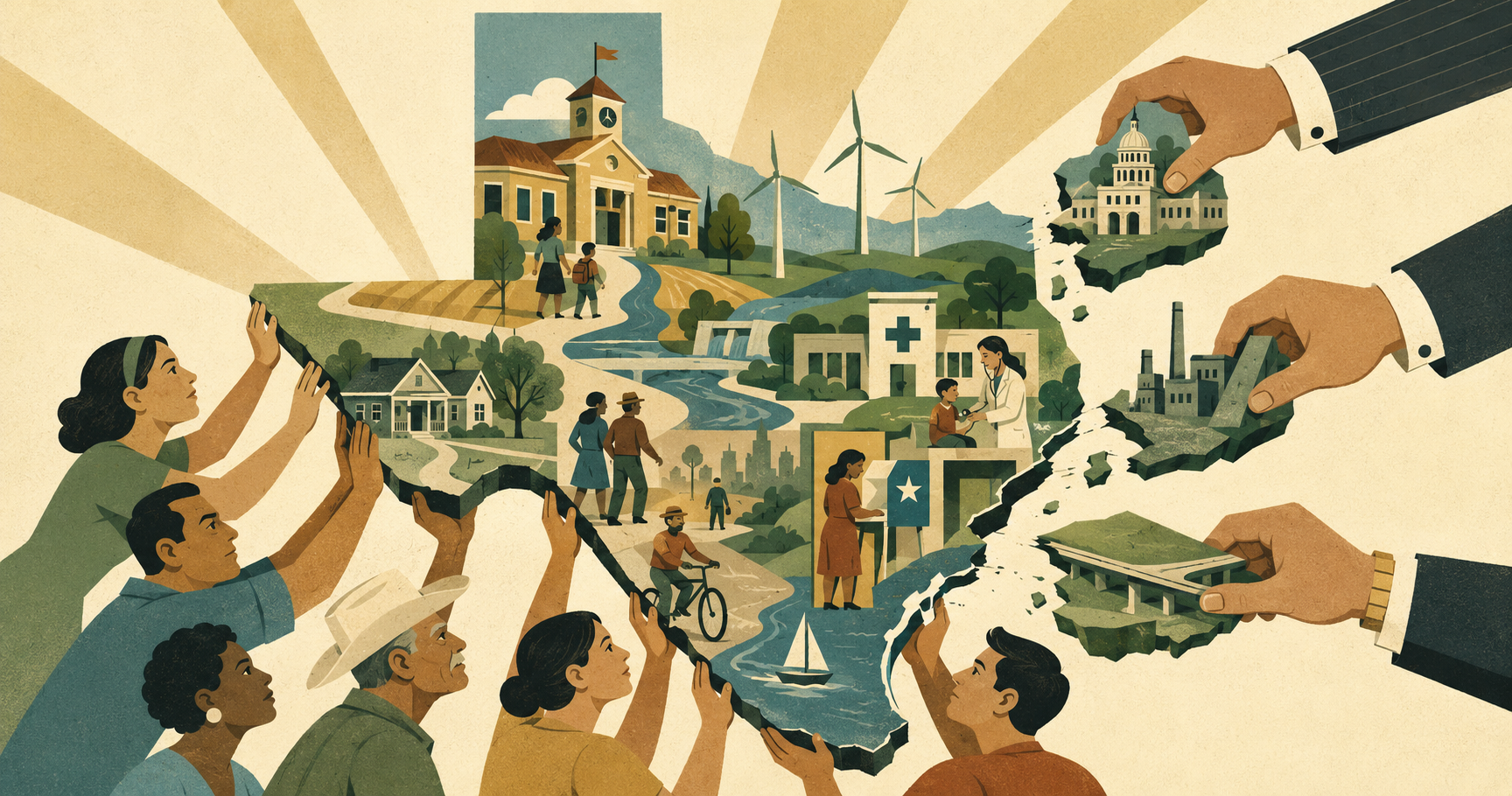
James Talarico and the Politics of Public Stewardship
In a state built on energy, water, schools, labor, and faith, Talarico offers a rare argument: public resources are moral obligations, not spoils to be divided by the powerful.
-

The Charlotte Chokepoint: Why North Carolina’s Senate Race is Key
Cooper and Whatley should both answer whether banks must help verify high-risk trade before dirty goods reach clean markets.
-

A Waypoint Is Not an Origin
Just a few banks could press high-leverage chokepoints for a leap forward in creating ethical supply chains, protecting forests, and much more.
-

Flesh-Eating Fly Exposes America’s Food-Supply Blind Spot
The screwworm outbreak shows that food security depends on invisible systems: surveillance, sterile flies, quarantine rules, and countries willing to work together before panic begins.
-

Taiwan Is the Supply Chain Test America Cannot Fail
If China moves aggressively against Taiwan, the shock will not stay in Asia. It will run through chips, shipping, energy, AI, defense, and the ordinary goods Americans assume will always arrive.
-

AI Data Center Report Card: Which States Are Protecting Ratepayers, Water, and Communities?
As AI data centers consume unprecedented amounts of electricity and water, states are scrambling to respond. We grade Utah, Oregon, Virginia, California, Florida, Ohio, and Michigan on transparency, infrastructure planning, and public accountability.
-

America’s Next Manufacturing Advantage: Which States Can Survive the AI Electricity Shock?
AI data centers are rapidly increasing electricity demand across the United States. The states that can deliver reliable, scalable, and fairly priced power may dominate the next manufacturing era, while weaker grids risk economic…
-
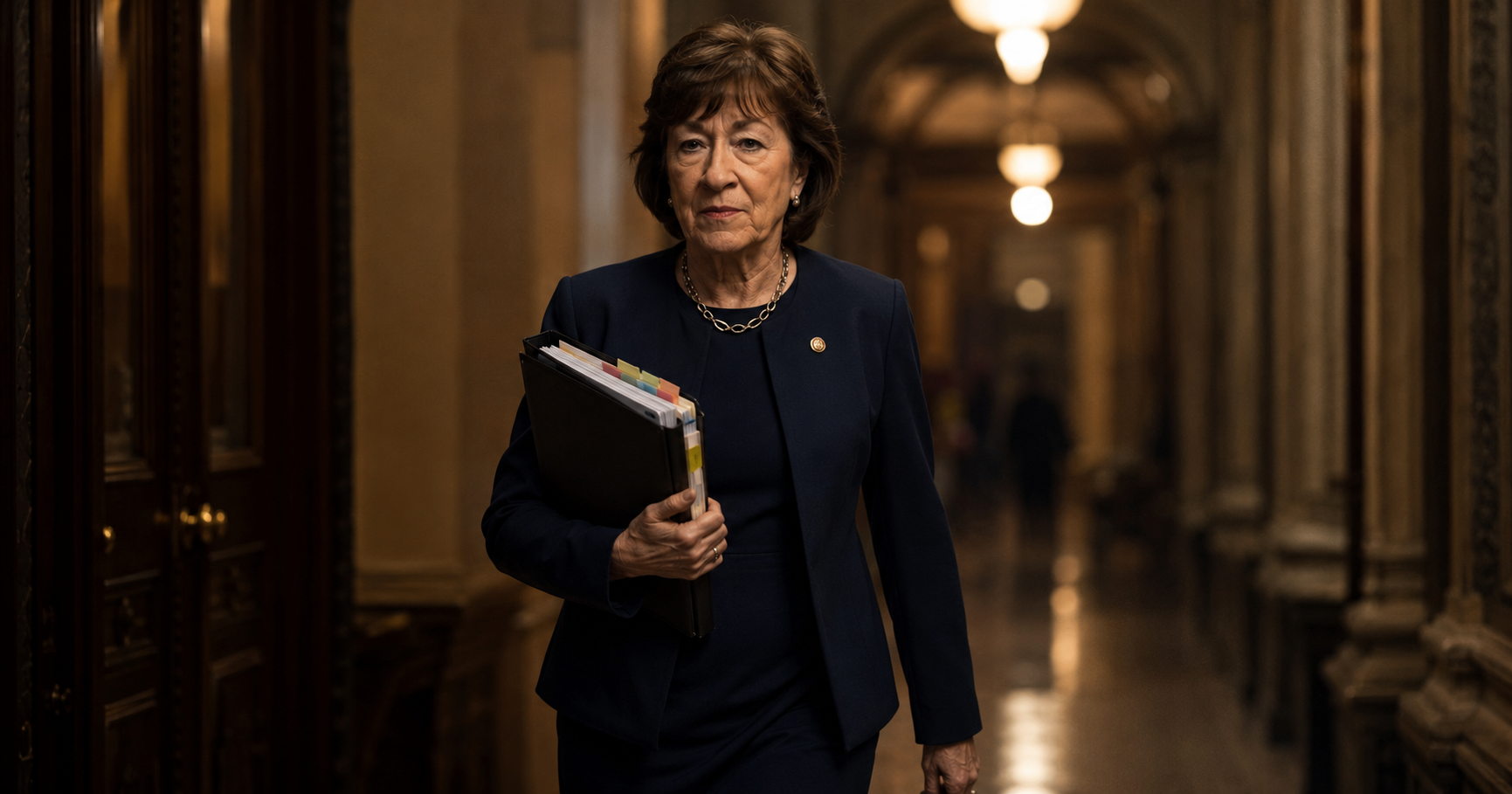
The Susan Collins Test: Does Moderate Republican Climate Leverage Still Exist?
Susan Collins may be the last Republican appropriator still shaping federal environmental spending from inside the GOP coalition. If she loses Maine in 2026, what replaces her on Senate Appropriations and what does that…