A February rule with an April fuse
On February 12, 2026, EPA Administrator Lee Zeldin finalized a rule rescinding the 2009 greenhouse gas endangerment finding and repealing federal greenhouse gas standards for vehicles. The rule was published in the Federal Register on February 18, 2026 and becomes effective April 20, 2026. Earth Day. With this move the agency has begun pulling the legal rug out from under the Clean Air Act’s climate legs, starting with transportation.
The endangerment finding was the federal government saying, on the record, that greenhouse gas pollution threatens public health and welfare, and that the EPA therefore has a duty to regulate under the Clean Air Act framework. Rescinding it is a legal and scientific retreat, and it is designed to ripple outward.
The EPA is selling this as the largest deregulatory action it has ever undertaken, and points to huge cost savings, including a headline $1.3 trillion figure. But even basic fact checks have already flagged false claims made around this rollback, including mischaracterizations of what the endangerment finding did and did not mandate.
Patchwork regulation creates a loophole factory
If you want to understand the damage to clean supply chains, start with the regulatory landscape this creates. With a weakened federal baseline, companies are shoved into a maze of state level rules, court fights, and region specific compliance strategies. Reuters put it plainly: legal experts expect uncertainty and a patchwork of standards and lawsuits.
Look at the auto sector as the preview of the wider economy. California is in a direct legal clash with the administration over its authority to set tougher pollution rules, and eleven other states follow California’s zero emission mandates. That is not less regulation. That is contradictory regulation, and the bad actors love it. They can forum shop, relocate the dirtiest steps of production, and sell everyone a story that sounds compliant in one jurisdiction while being evasive in another.
Meanwhile, the lawsuits have already started. That litigation risk is not a side effect. It is part of the cost of choosing chaos over a single enforceable floor.

Clean supply chains cannot decarbonize on vibes
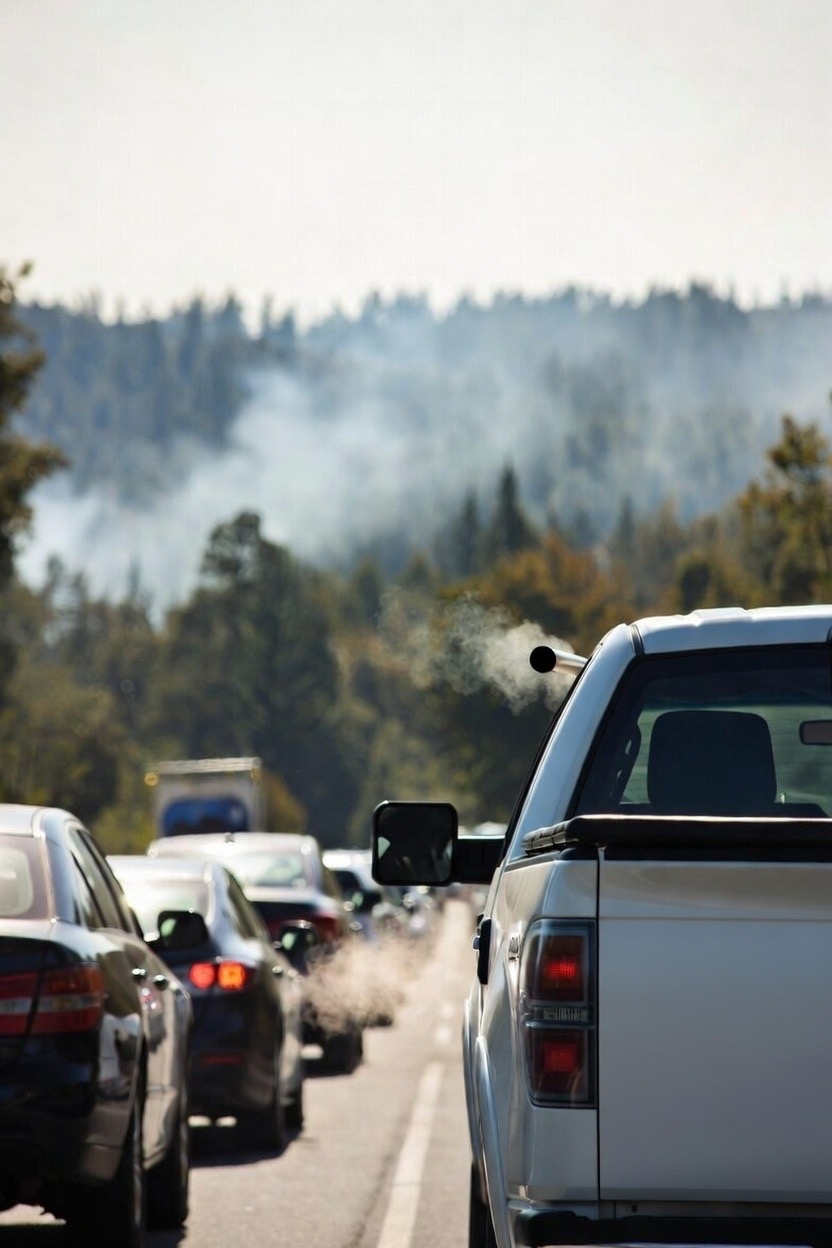
Transportation is the connective tissue of commerce, and it is emissions heavy. EPA’s own inventory breakdown shows that in 2022 the biggest transportation emissions sources were light duty trucks (37%), medium and heavy duty trucks (23%), and passenger cars (20%). When the federal government signals retreat on vehicle emissions, it drags down the incentive structure for cleaner logistics, cleaner fleets, and cleaner fuels across the entire supply chain.
At the same time, climate disruption is already punching supply chains in the face. A Nature Climate Change study estimates $81B of global trade and at least $122B of economic activity is at risk on average annually from climate related port disruptions. Rolling back climate governance while climate impacts accelerate is not realism. It is sabotage of resilience planning.
Forests absorb the damage, and paper goods feel it fast
Hotter conditions turn forests into fuel. A landmark PNAS study estimates human caused climate change contributed to an additional 4.2 million hectares of western US forest fire area from 1984–2015, nearly doubling what would have burned without that warming driven aridity.
Now connect that to the consumer goods category that gets hit hard and fast: forest fiber products (paper, tissue, paper towels, packaging, and wood based materials). When forest systems are stressed and disrupted, the fiber market tightens, prices spike, salvage logging pressures rise, and the incentive to launder dubious material through complex chains increases.
Illegal timber is not theoretical. Investigations continue to trace illicit wood out of the Amazon into major markets. In a patchwork regime, certification can become a marketing costume unless enforcement is coordinated, data is transparent, and chain of custody is actually audited.
The regulatory relief argument is backwards
The relief story says: fewer rules, cheaper compliance, cheaper products. Reality says: fragmentation, lawsuits, and loopholes impose their own tax, and it lands on the honest actors first. Even EPA aligned talking points about savings do not erase the basic math of whipsaw regulation, insurance exposure, port disruption risk, and litigation uncertainty.
This rollback does not create a free market. It creates a market where the cheapest operators are the ones most willing to exploit ambiguity, and where everyone else pays to prove they did not.


Leave a Reply