
The Real Story Is the System
A serious sustainability claim should survive contact with a ledger.
That makes Unilever worth studying. Not because the company deserves a halo. It does not. Unilever sells food, personal care products, cleaning goods, and household staples across the world. Its supply chains touch palm oil, paper and board, tea, soy, cocoa, packaging, labor, transport, and retail. A company that large will always carry risk.
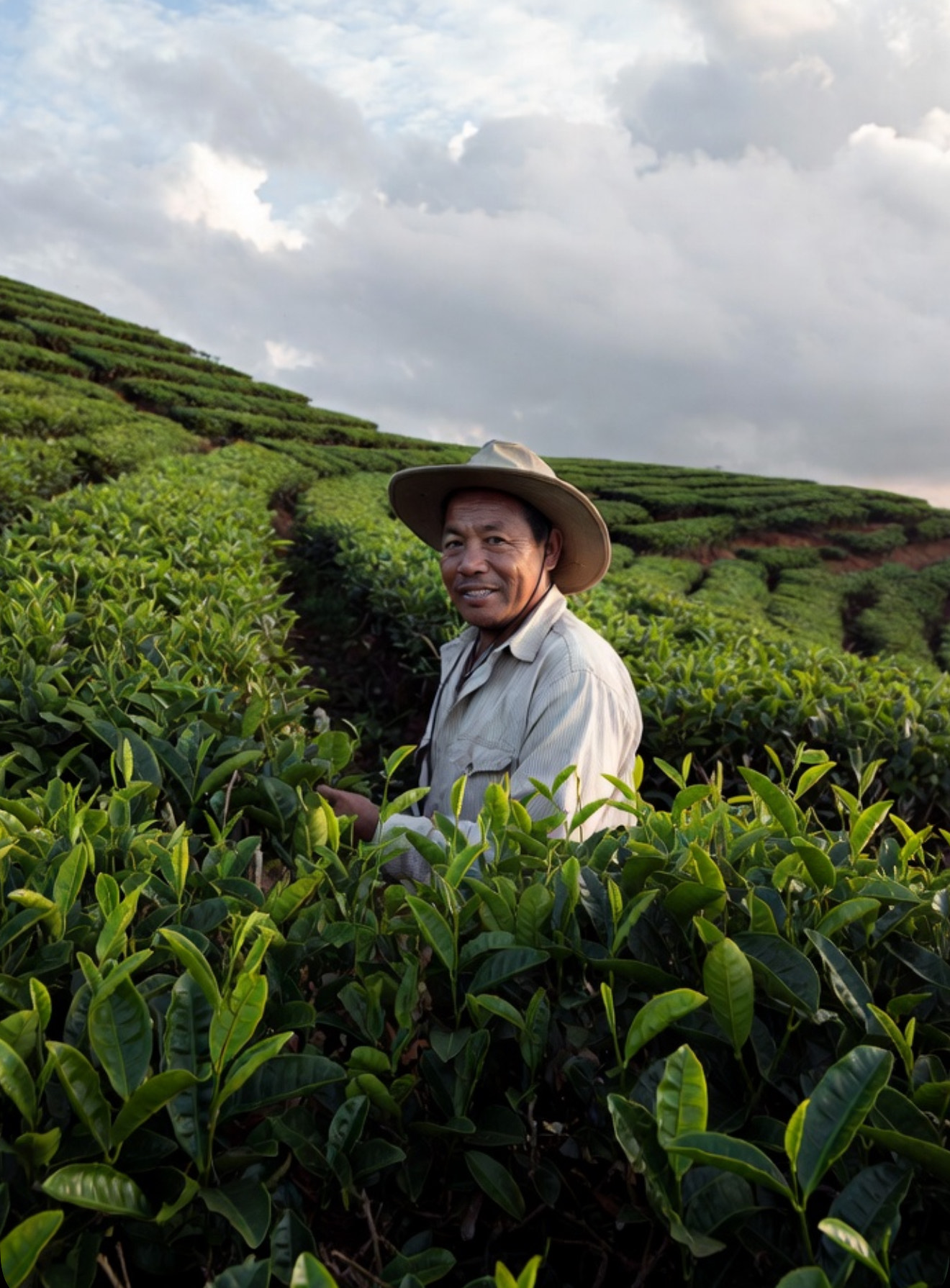
Unilever says that in 2024, 97% of its order volumes across palm oil, paper and board, tea, soy, and cocoa met its deforestation-free requirements. It reports commodity-level figures too: palm oil at 95.7%, paper and board at 98.8%, tea at 97%, soy at 94.8%, and cocoa at 85.2%. The spread matters. Cocoa’s lower figure reminds readers that progress still varies by commodity.
The architecture behind those numbers matters more than the headline percentage. Unilever points to three routes: certification, third-party verification, and sourcing from locations with negligible deforestation risk. It says external independent parties audit both Unilever and its suppliers through desk and site evaluations under a deforestation-free verification protocol for key crops.
We should judge a corporation by a harder standard: can outsiders inspect what the company claims? That makes Unilever useful. It gives policy-minded readers a test case, not a fairy tale.

Palm Oil Shows the Hard Part
Palm oil offers the hardest test. It produces far more oil per acre than many substitutes, so a careless boycott can push land pressure elsewhere. Yet palm expansion has also driven rainforest loss, peatland damage, biodiversity decline, and conflicts with local and Indigenous communities.
Unilever’s palm-oil program shows why traceability matters. The company reports 98% traceability to mill and 98% traceability to plantation for in-scope volumes, plus visibility across more than 20 million hectares of oil-palm plantations and farms. It publishes direct supplier lists, mill locations, facility lists, a grievance tracker, and a suspended-or-no-buy list.
That public trail does not make the system innocent. It makes the system contestable. A supplier list invites scrutiny. A mill universe invites mapping. A grievance tracker invites follow-up. A no-buy list shows whether consequences exist.
Unilever also says it began a three-year human-rights program in 2024 and plans to pilot and publish an independent method to verify Free, Prior, and Informed Consent in its palm-oil supply chain in 2026. FoGo should track that promise. FPIC cannot become a checkbox companies control from a distance.
EUDR Raises the Floor
Unilever’s work also points toward the policy future. The EU Deforestation Regulation requires operators and traders who place covered commodities on the EU market, or export them from the EU, to prove that their products do not come from recently deforested land or contribute to forest degradation. The current application dates are December 30, 2026, for large and medium operators, and June 30, 2027, for most micro and small operators.
Global Canopy’s Forest 500 analysis found that public evidence of traceability mechanisms increased across eight of nine Forest 500 commodities in 2025. It also found that 68 companies cited the EUDR in public documents related to forest-loss action, while 45 directly cited the law as a driver of traceability work.
That is the policy lesson. Law changes markets before inspectors arrive. When regulators demand proof, companies start building proof systems.

When regulators demand proof, companies build proof systems
Praise the Work, Keep the Guardrails
Unilever still deserves scrutiny. In 2024, critics attacked the company after it scaled back environmental and social pledges, including less ambitious virgin-plastic reduction goals and a narrower supplier-pay commitment. Those choices matter because credibility travels across issues.
So the right answer is neither applause nor dismissal. Unilever gives FoGo a useful model of sustainability infrastructure: commodity-specific targets, traceability, supplier disclosure, third-party checks, grievance systems, smallholder engagement, and public consequences. It also proves why voluntary leadership cannot replace enforceable law.
A company may lead. A regulation makes laggards move.

Leave a Reply