FoGo – Curated for the Intentional Consumer

Forward. Go.
Explore the news, understand the impact of ethical sourcing, and get involved in helping us create a more sustainable and just path forward.
-

America’s Hidden Inflation Engine Is Bad Design
America’s affordability crisis extends beyond housing prices. Inefficient buildings and car-dependent development raise utility bills, transportation costs, and infrastructure burdens that quietly drain middle-class households every month.
-

Forest Management and Housing Affordability: The Bill Families Already Pay
A burned neighborhood is not affordable. An uninsurable home is not affordable. Poor forest management already raises costs through insurance premiums, rent pressure, construction costs, disaster recovery, and housing scarcity. Forest policy belongs in…
-

Stockholm Wood City: When Beauty and Efficiency Stop Competing
Stockholm Wood City shows why sustainable architecture may have a bright future: mass timber can make buildings warmer, faster, lower-carbon, and more livable, if the wood can be verified.
-

Direct-to-Chip Cooling Can Help Data Centers. It Cannot Outrun AI Demand Alone.
Direct-to-chip cooling can reduce wasted energy in AI data centers by moving heat directly away from chips. But better cooling does not automatically mean lower total electricity use. The real test is whether companies…
-
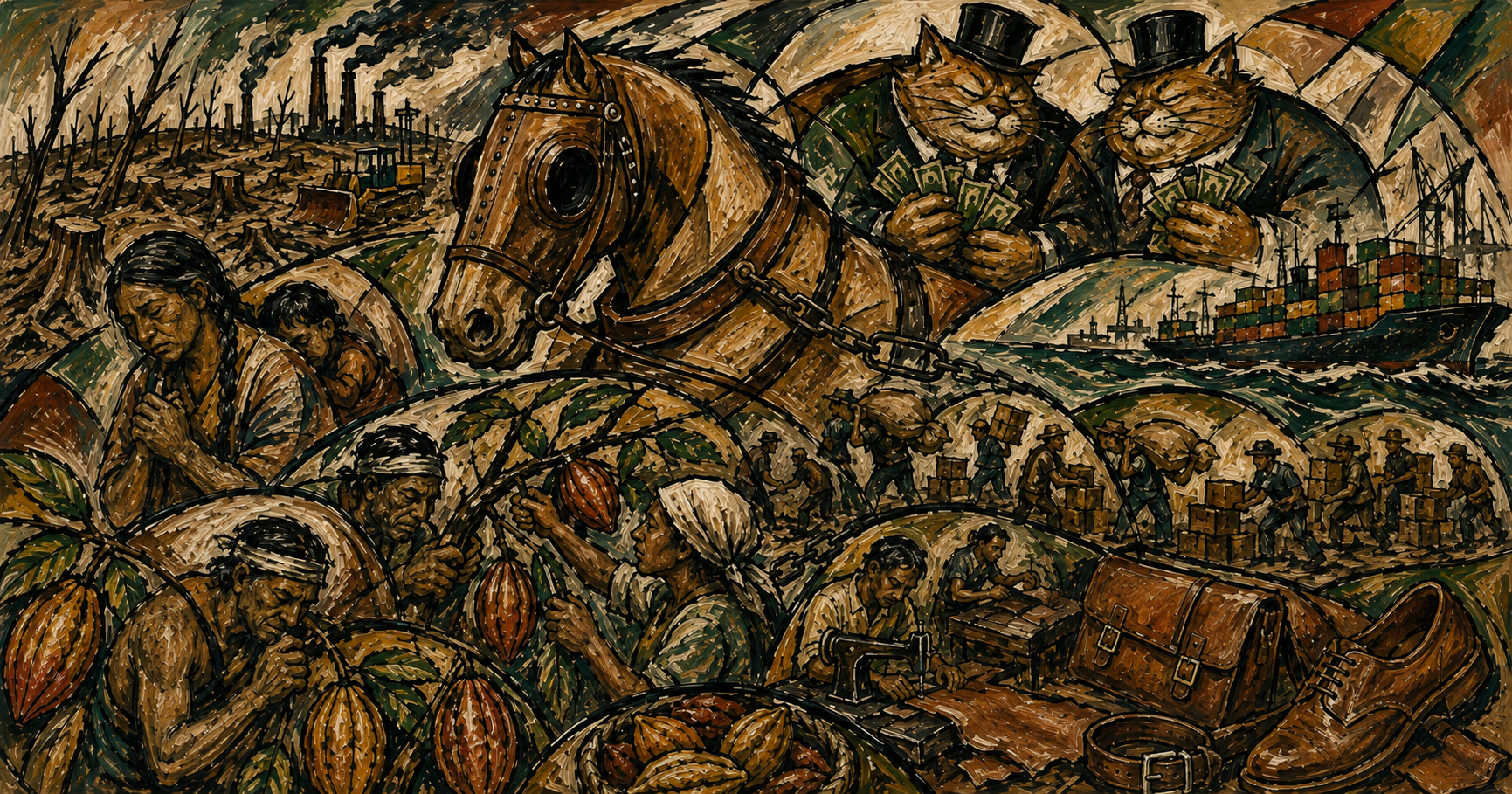
H.R. 4279: The Bill Against Supply-Chain Due Diligence
H.R. 4279 targets sustainability due diligence, traceability, and supply-chain disclosure. The bill would weaken evidence that protects forests, workers, and clean suppliers.
-

Lithium-Ion Batteries Are Cleaner. That Does Not Make Them Clean.
Lithium-ion batteries are a real improvement on carbon emissions. But the clean-energy transition still faces hard trade-offs: e-waste, water stress, Indigenous land rights, mineral extraction, and weak recycling systems. Cleaner is not the same…
-

Scotland Rewilding
Caledonian Forest restoration shows how Scotland rebuilds native woodland through deer management, local seed, natural regeneration, and long-term governance.
-
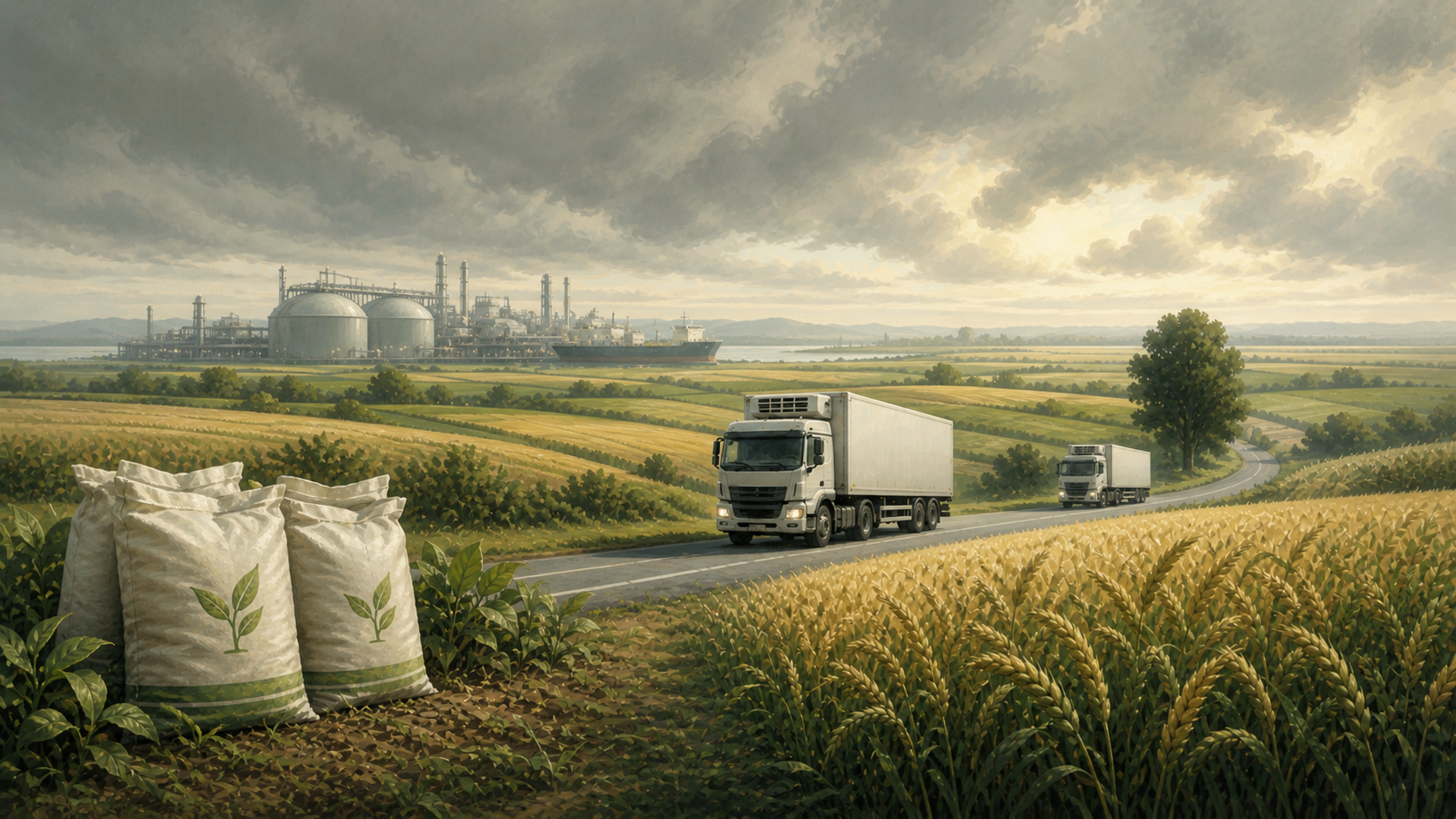
Hormuz Is Driving Up Prices and Testing Sustainability Standards
The Hormuz LNG crisis is raising energy, fertilizer, freight, and grocery costs while testing whether sustainability standards can hold under inflation pressure.
-
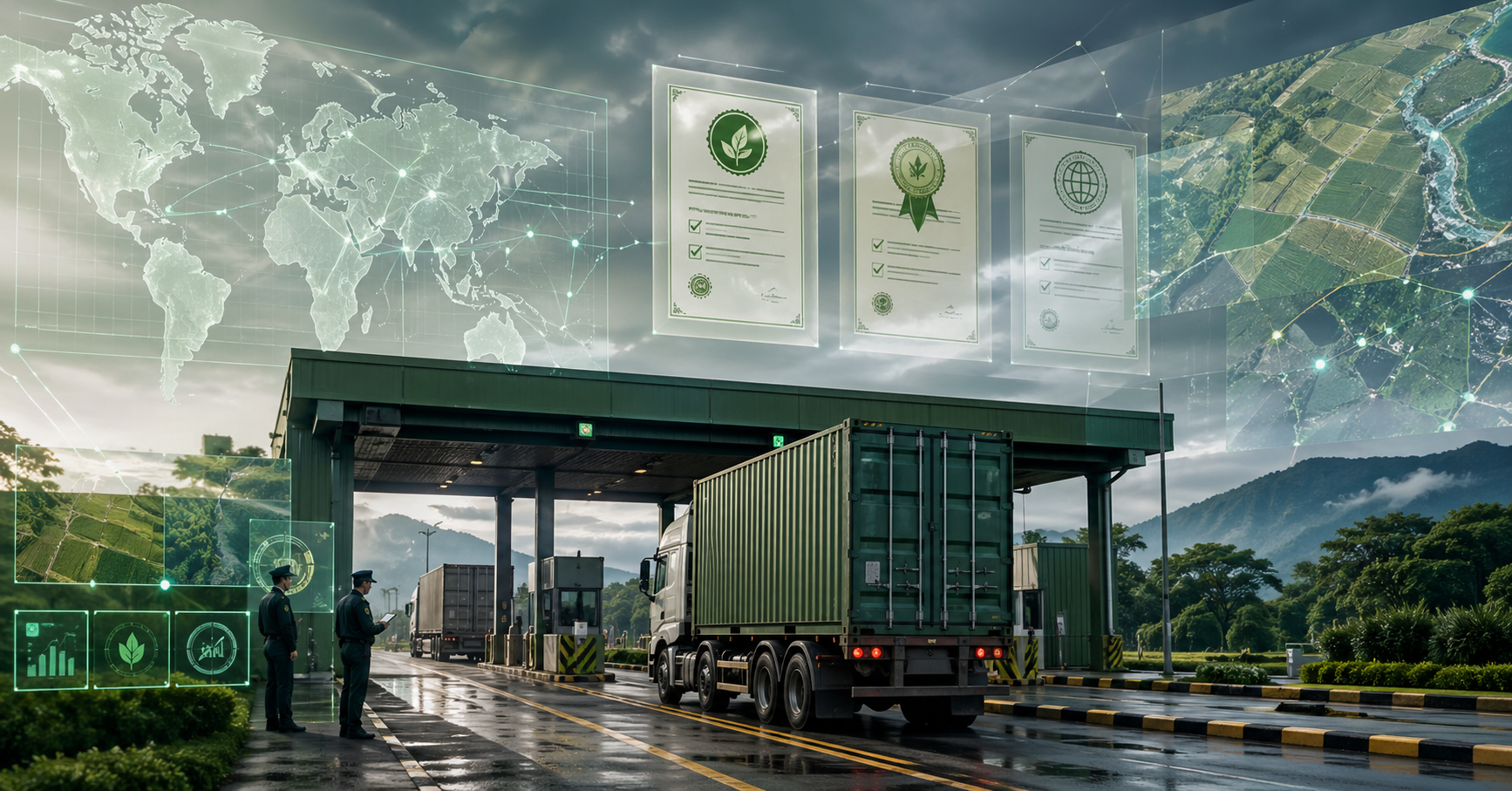
Unilever’s Deforestation-Free Supply Chain Lesson
Unilever’s deforestation-free supply chain work shows why sustainability needs traceability, supplier disclosure, third-party checks, and EUDR-style proof.